



Forensic accountants are extremely important to businesses, as they take on the responsibility of determining whether there was criminal intent in financial mishandlings. Another critical task is to help in financial forecasting and budgeting. what is business accounting Accountants use past financial data to predict future revenues and expenses, assisting management in strategic decision-making and setting financial goals and growth plans.
Businesses can use payroll software to simplify payroll processing or outsource this function. It is also important to track payments to independent contractors and file the required 1099 forms at the end of the year. Accounting information exposes your company’s financial performance; it tells whether you’re making a profit or just running into losses at the end of the day. The IRS outlines these different business taxes as income, excise, employment, and self-employment taxes.


Companies will use payroll processing software to streamline the process or outsource the task entirely. Maintaining a positive cash flow system is vital to a company’s success. A company should organize and track when and where cash goes at all times.

Below, we’ll cover several accounting terms and principles you should have a firm grasp on. For a complete list, refer to our full lists of accounting terms and accounting principles below. You already know this, but just to make sure it’s crystal clear, taxes are ridiculously complicated. Small-business taxes vary between industries, states, and business types, so to get the best advice on what taxes your business needs to pay, consult with your accountant. For the most part, though, you’ll probably end up paying income taxes, sales taxes, and payroll taxes. Using spreadsheet software is the cheapest accounting option (especially if you use a completely free software, like Google Sheets).
While many large businesses hire full-time tax accountants, small businesses don’t have to. You can work with a tax accountant during filing seasons to minimize costs. This small investment can pay for itself and impart valuable tax insights. Businesses report assets and liabilities at the cost they paid to acquire them. On one hand, businesses may prefer to report at the market rate because that reflects current value.
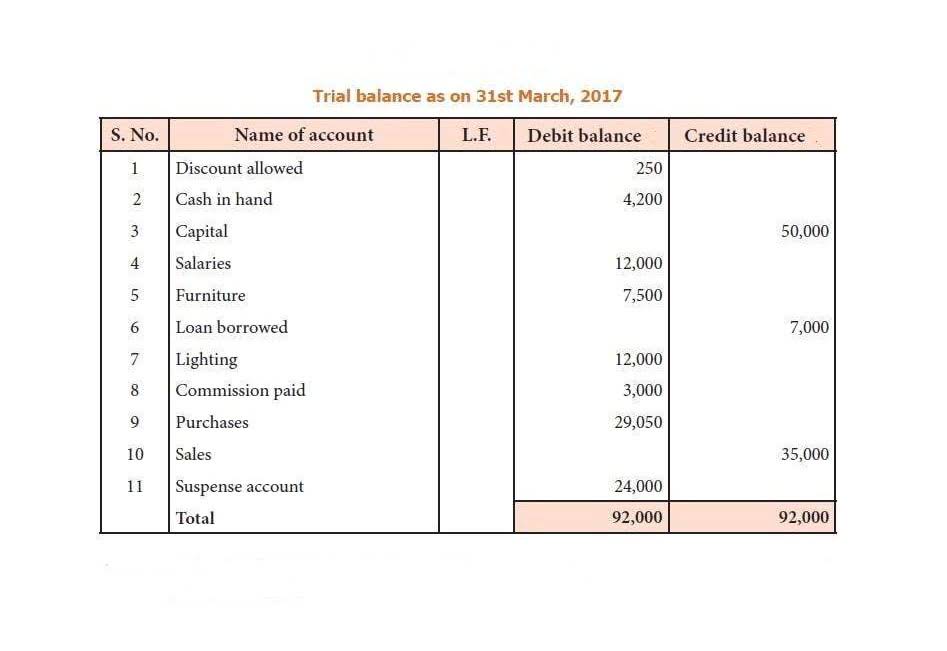
Consequently, financial accounting information relates to the company as a whole, while managerial accounting focuses on the parts or segments of the company. One of the main differences between accounting and https://www.bookstime.com/ bookkeeping is that accounting involves more than just recording financial transactions. It also includes analyzing, interpreting, and communicating financial information. For example, they might recommend an online payroll service to cut overhead costs. Auditors examine financial records and processes to ensure compliance with laws and regulations.
Payroll means all payouts to a business’s employees, including benefits, salaries, taxes, garnishments, and other deductions. Companies will use payroll processing software to streamline or outsource the task entirely. In many small businesses, retained earnings a payroll manager is in charge of overseeing the payroll.
In accounting, you’ll come across certain titles which appear to bear similar duties but actually have unique job descriptions. In this section, we’ll briefly review the roles of accountants vs. CPAs and tax professionals. All employees must fill out an I-9 and W-4 form upon employment for tax purposes. These documents provide accurate wage reporting, along with Social Security and Medicare benefits.
© Copyright. Tutti i diritti riservati.